Building Bridges for Families Navigating Autism
A conversation with Aura Elizabeth Vizcaya, Founder of Autismo Día a Día
For many families, an autism diagnosis marks the beginning of a journey filled with questions, uncertainty, and the challenge of navigating complex systems of care. For Aura Elizabeth Vizcaya, that journey began in 2009 when her son Mauro was diagnosed with autism after months of searching for answers and facing a system that felt fragmented and difficult to navigate. At the time, insurance coverage for autism diagnoses was limited, specialists were scarce, and access to clear information was difficult to find, particularly for Spanish speaking families. What began as a mother’s search for answers would eventually transform into a mission that now supports hundreds of families across Georgia.
Aura remembers clearly the moment when her son was finally able to receive an appointment at the Marcus Autism Center, the only center accepting Medicaid at the time. The waiting list was nearly three years long. Determined not to lose precious time for early intervention, she treated the waiting list as if it were a job, calling regularly in hopes that an appointment might open sooner. One day a cancellation appeared and she was offered an appointment the next morning. Her response was immediate. “We will be there.” That moment marked more than a diagnosis. It marked the beginning of a transformation in her life and in the lives of many families she would eventually help.
Reflecting on that period, Aura explains that the experience reshaped how she saw her role as a parent. “No one prepares us to be mothers,” she says. “Much less to be mothers of a child on the spectrum.” Rather than allowing fear to take over, she created a plan of action. She shifted her professional path, training in child development, sensory activities, and communication systems that would help her support Mauro both at home and in school. Over time she came to understand that the real challenge was not autism itself. The deeper challenge was navigating a complex system that families often struggled to understand.
This realization became clearer during long hours spent in therapy waiting rooms. Aura noticed many Latino mothers sitting quietly, often holding reports written in technical language they could not fully interpret. Some did not know what an Individualized Education Plan was. Others were unsure of how to ask questions during school meetings or request additional evaluations for their children. In those moments she began translating information and explaining what she had learned while searching for services for her own son. Looking back, she recalls the moment when the scale of the challenge became clear. “I was not the only one navigating a fragmented system,” she says. “There was an entire community trying to do it in silence.”
Those conversations eventually led to the creation of Autismo Día a Día. What began as informal support and shared information grew into a structured network of education, workshops, and guidance for families. Aura explains that the organization was never conceived as a business idea. Instead, it emerged from a collective need. “Autismo Día a Día was born from a real and collective need,” she says. “It was a community response.” Over time that response became a nonprofit organization dedicated to helping families understand diagnoses, navigate services, and advocate for their children with confidence.
Since its formal launch, Autismo Día a Día has supported more than two hundred families in Georgia and has also provided guidance to families in other states seeking reliable information in Spanish. Many parents arrive with documentation but without a clear understanding of what the information means. Aura focuses on helping families interpret clinical reports, understand therapies and treatment options, organize documentation for school meetings, and navigate healthcare and education systems. The impact of this work often becomes visible when parents begin advocating for their children with greater confidence. Aura describes one of the moments she finds most meaningful. “The accomplishment I am most proud of is seeing a mother who arrived confused and overwhelmed return months later speaking clearly in an IEP meeting and confidently defending her child’s rights.”
Beyond supporting families directly, Aura has also become an advocate for systemic change. She often points to examples of inclusive policies that can make everyday interactions safer and more accessible for individuals on the spectrum. One initiative she highlights comes from Sugar Hill, Georgia, where the city marshal developed a communication card for drivers with autism. The card allows drivers to inform officers that they may process information differently and that calm, structured communication can help avoid unnecessary escalation.
For Aura, initiatives like this demonstrate the importance of thoughtful institutional design. “Inclusion does not always require large budgets,” she explains. “It requires intelligent design, neurological understanding, and institutional will.”
One of the most impactful decisions behind Autismo Día a Día was providing services and information in Spanish. Aura had witnessed firsthand how language barriers prevented families from fully understanding diagnoses, treatment recommendations, and educational rights. Many parents received reports filled with complex terminology that they could not interpret. By offering guidance in Spanish, families began arriving at school meetings better prepared and more confident in their ability to participate in decisions affecting their children. For Aura, language access is more than a cultural matter. “Providing services in Spanish is not only a cultural matter,” she explains. “It is a matter of structural equity.”
Looking ahead, Aura’s vision continues to expand. She hopes to develop a vocational and transition center for adolescents and adults with autism, addressing one of the most significant gaps in services that families face when children grow older. While early intervention services may exist for younger children, opportunities for adolescents and adults often decline dramatically. Aura believes communities must do more to support individuals on the spectrum throughout their entire lives. Her vision includes job training programs, life skills development, emotional support, and inclusive infrastructure that allows individuals to participate fully in society.
She also envisions communities designed with neurodiversity in mind. Inclusive public parks, sensory friendly environments in public venues, trained emergency responders, accessible childcare providers, and collaboration between families and institutions are all essential elements of that vision. Thriving, she explains, means more than simply being present in society. It means being understood, protected, and supported.
For parents who have just received an autism diagnosis for their child, Aura offers a message grounded in empathy and lived experience. “First, breathe,” she says. “The diagnosis does not change who your child is. It changes the information you have to support them.” She encourages parents to take the process step by step, to seek community, and to remember that autism does not eliminate possibilities. “Autism does not eliminate possibilities,” she says. “It redefines them.”
Autismo Día a Día was created not simply to respond to crises but to prevent them. The organization works to translate systems, close gaps, and build bridges between families and institutions.
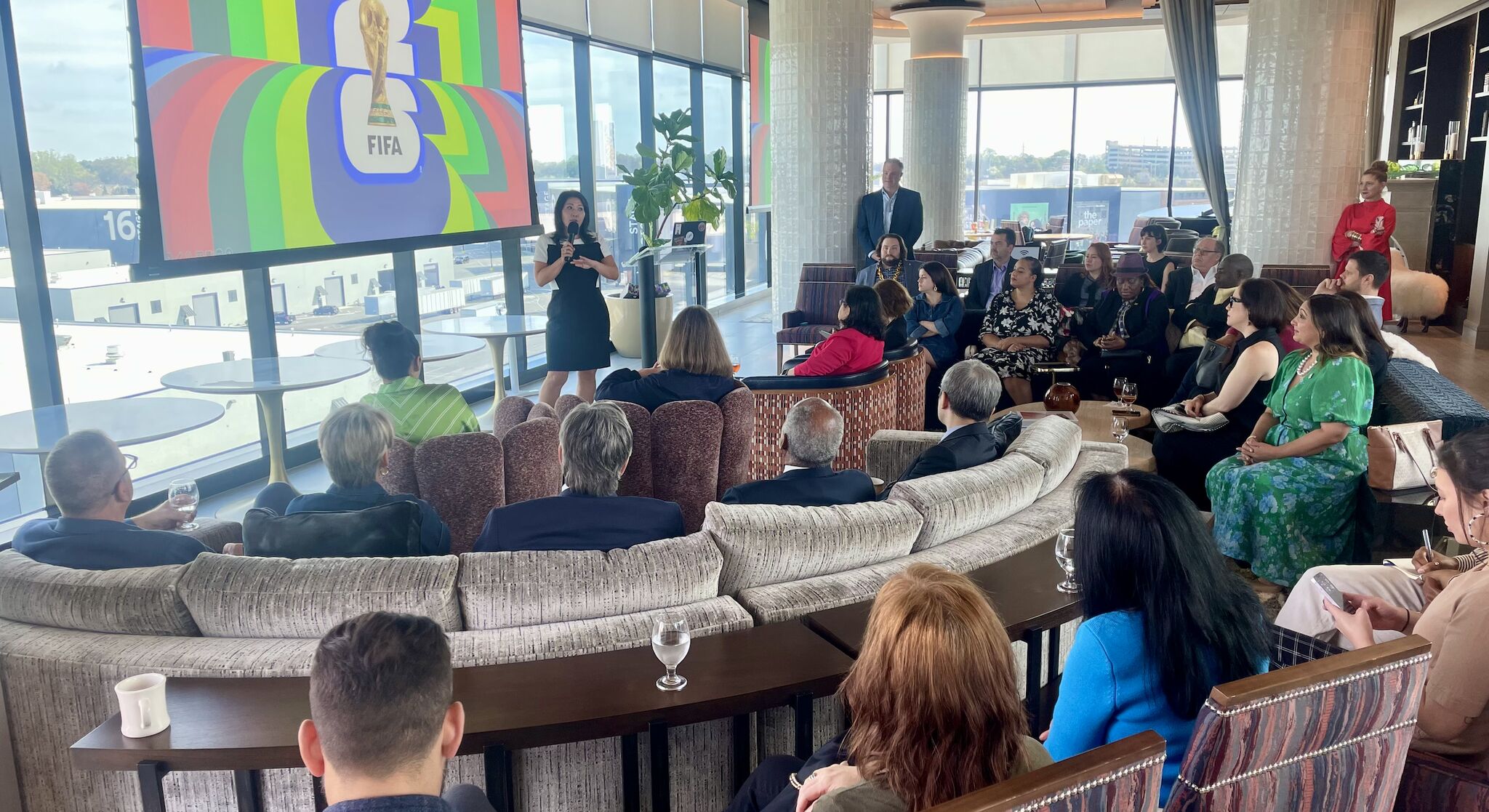
As cities like Atlanta prepare for global moments such as the FIFA World Cup in 2026, Aura hopes accessibility and sensory friendly environments will become part of how communities plan for the future. Inclusion, she reminds us, is not an abstract concept. It is a structural responsibility.
In the end, Aura’s work is about more than advocacy. It is about building a community where families no longer have to face uncertainty alone. As she reflects on the journey that began with her son’s diagnosis, she offers a powerful reminder. When a society understands neurodiversity, it does not only support a vulnerable population. It becomes stronger, more compassionate, and better prepared for everyone.
Click here for the full interview
Learn more about Autismo Dia a Dia here
As Autismo Día a Día continues expanding its support for families, education remains at the center of its mission. One of the organization’s upcoming initiatives reflects the urgent need parents, caregivers, and professionals often express when navigating moments of crisis.
On May 16, Autismo Día a Día will host a seven hour workshop titled “Understanding and Effective Management of Crisis in Autism.” The session will be led by Lola Hernández Gallardo, a family counselor and international speaker with more than twenty years of experience supporting families across Mexico, the United States, and Latin America. As a mother of two adult children, including one on the spectrum, her work combines professional expertise with lived experience.
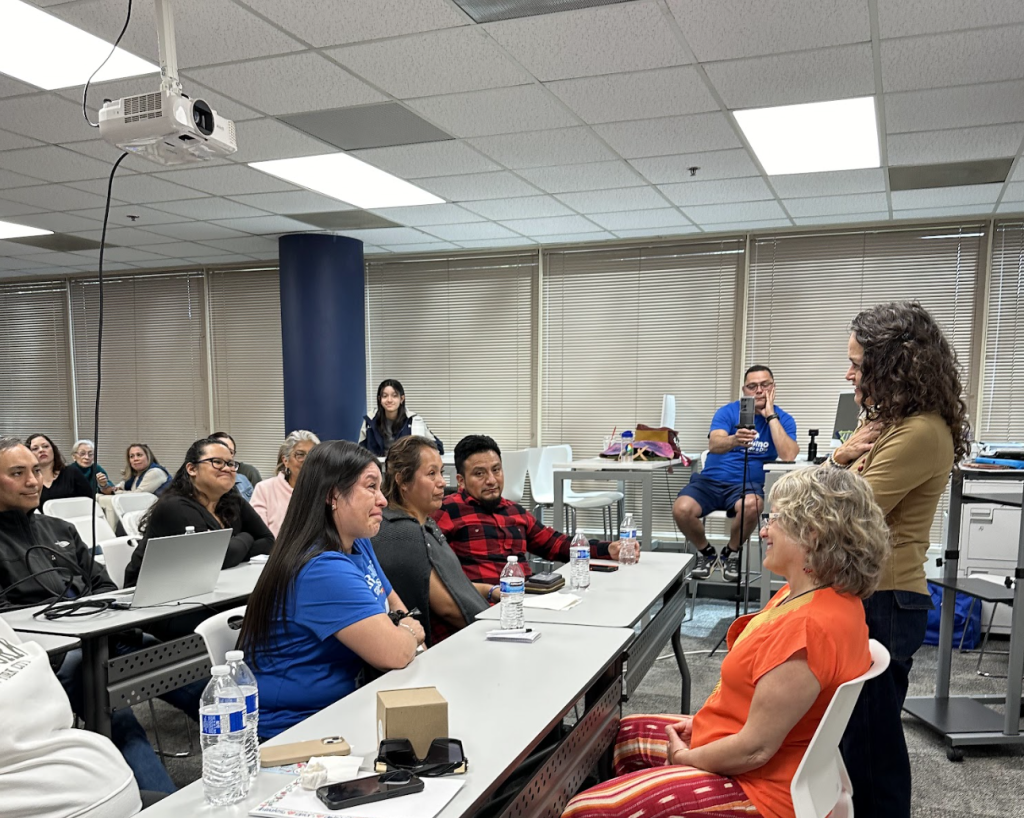
The workshop will focus on helping families and caregivers better understand the neurological and sensory foundations of autism and how these factors influence moments of crisis. Participants will explore how to differentiate autistic crises from intentional behaviors, recognize early signs of anxiety and dysregulation, and develop preventive strategies that can be applied at home, in schools, and in community environments. The program will also include a dedicated space to analyze real situations shared by participants, creating an opportunity for practical learning and collective reflection.
For Aura and the team behind Autismo Día a Día, initiatives like this workshop represent more than a single event. They reflect the organization’s commitment to strengthening families and preparing communities with the tools needed to respond with empathy, understanding, and knowledge.
Those interested in supporting the workshop or contributing to the organization’s efforts can participate through two fundraising initiatives. The first is a direct donation that will help make the workshop accessible to families in the community.
Direct Donation
https://www.zeffy.com/en-US/donation-form/hagamos-posible-el-taller-comprension-y-manejo-efectivo-de-crisis-en-el-autismo
Supporters can also participate in a solidarity raffle featuring an AAC Talkido communication device, generously donated to help raise funds for the event.
Solidarity Raffle
https://www.zeffy.com/en-US/ticketing/rifa-solidaria-para-hacer-posible-el-taller-comprension-y-manejo-efectivo-de-crisis-en-el-autismo
By supporting initiatives like this workshop, community members are helping ensure that families navigating autism have access to practical guidance, education, and a network of support that empowers them to move forward with confidence.